
Clear Communication for Development Projects
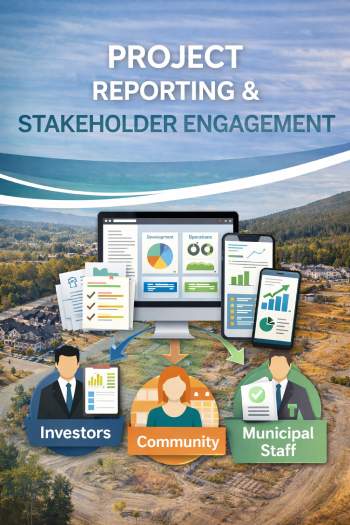
Development projects often involve multiple stakeholders including investors, municipalities, consultants, contractors, and community members.
Keeping everyone informed throughout the development process can be difficult without a clear reporting structure.
Beyond Programs Ltd helps landowners and developers organize project reporting and stakeholder communication so that information flows clearly between project participants.
This improves transparency, reduces misunderstandings, and helps maintain momentum as projects move through approvals and development.
Why Reporting Matters in Development
Many development delays occur because stakeholders do not have consistent access to project information.
Examples include:
• investors waiting for project updates
• consultants needing coordination across teams
• municipal staff requesting additional information
• community stakeholders asking for project details
• project owners tracking timelines and risks
Structured reporting helps ensure everyone involved understands the current status of the project.
What Project Reporting Can Include
Reporting and engagement systems can support:
• project milestone tracking
• approval and permit status updates
• development timelines
• consultant coordination updates
• documentation and submission tracking
• risk identification and mitigation
• stakeholder communication summaries
This structured approach allows project owners and stakeholders to maintain visibility throughout the development lifecycle.
Supporting Transparency and Engagement
Some development projects benefit from increased transparency, particularly when:
• projects involve community consultation
• developments require public hearings
• projects involve multiple partners or investors
• organizations need structured reporting for governance or compliance
Clear communication and accessible reporting tools help ensure stakeholders remain informed throughout the development process.
Technology-Enabled Reporting
Beyond Programs Ltd uses digital project reporting tools to organize development information and provide structured updates to project stakeholders.
These systems allow project teams to track progress, maintain documentation, and communicate project status in an organized format.
This approach helps reduce administrative friction while keeping development teams aligned.
Supporting the Full Development Lifecycle
Project reporting systems can support projects through all stages of development including:
• development feasibility
• rezoning approvals
• subdivision and strata coordination
• development management and construction planning
By maintaining consistent reporting across these phases, project stakeholders can better understand how projects evolve over time.