In British Columbia, Community Amenity Contributions are widely used to support cultural spaces, public art, wayfinding systems, and other place-based amenities. These contributions help move rezoning applications forward by signaling community benefit. But across Vancouver Island and mainland BC, professionals in development, nonprofit housing, and planning are quietly raising a question.
Are CACs simply decorating public space, or can they play a stronger role in rezoning engagement before council?
This article explores a new approach: using art as a civic engagement tool. Instead of viewing cultural CACs as final-stage contributions, we examine how they can become community feedback systems, supporting clarity, sentiment visibility, and rezoning alignment across British Columbia.
Table of Contents
- What Are Community Amenity Contributions
- The Role of Art and Culture in CAC Proposals
- Where Cultural CACs Lose Their Power
- Using Art To Activate Community Sentiment
- The OPC Cultural Trail as a Practical Model
- Why This Matters for Rezoning in British Columbia
- How BC Asset Owners Can Begin This Shift
- Final Thoughts
What Are Community Amenity Contributions
Community Amenity Contributions are voluntary contributions provided by developers during rezoning negotiations. CACs are meant to deliver tangible community benefit that helps balance increased density or change in land use. Municipalities across British Columbia use a range of CAC models including flat rate methods, land lift calculations, and case by case negotiation.
However, one element is often missing: community response is assumed, not measured. This creates uncertainty for developers and nonprofits who need clear rezoning pathways and predictable timelines. As rezoning applications grow more complex, many BC executives are now asking how CACs can better reflect real community value rather than estimated value.
The Role of Art and Culture in CAC Proposals
Cultural CACs often include murals, historical signage, public seating, place making features, and wayfinding installations. These projects are usually installed after applications are submitted and approved. Planners support them because they feel familiar. Developers accept them because they are visible. Nonprofits appreciate them because they enhance inclusion.
But across several recent BC projects, a quiet theme has appeared. Cultural CACs do not always create engagement. They may be appreciated, but the impact is difficult to prove. Without visibility into public response, art becomes decoration rather than civic infrastructure.
For long term planning, rezoning success, and council credibility, cultural amenities must evolve from symbolic gestures to community engagement tools.
Where Cultural CACs Lose Their Power
The most common long tail rezoning challenges in British Columbia include unclear stakeholder sentiment, unpredictable public hearings, and a lack of early engagement data. These challenges do not come from regulation. They emerge from perception.
Three recurring patterns appear in CAC usage:
| Pattern | Result |
|---|---|
| Cultural CACs added late in process | Feels disconnected from real issues |
| Amenity approval based on assumption | No visibility into community priorities |
| No feedback mechanism | No way to show value after installation |
This is not a failure of intent. It is a visibility problem. When CACs reflect expectation rather than response, risk remains invisible. As a result, rezoning approvals become harder to forecast, even when contributions are generous.
Using Art To Activate Community Sentiment
One practical question is starting to emerge among developers and nonprofit housing organizations. Instead of asking whether public art is appreciated, what if we first asked how communities actually respond?
Cultural CACs could become active assets when they include:
- QR linked community feedback
- Local photographer contributions and place identity
- Real time community engagement reports
- Passive sentiment tracking before council
- Activation of cultural partners and storytellers
This does not require new regulation. It requires new infrastructure for insight. When art connects to feedback, it becomes measurable. When it becomes measurable, it becomes a rezoning engagement tool, not just a compliance gesture.
The OPC Cultural Trail as a Practical Model
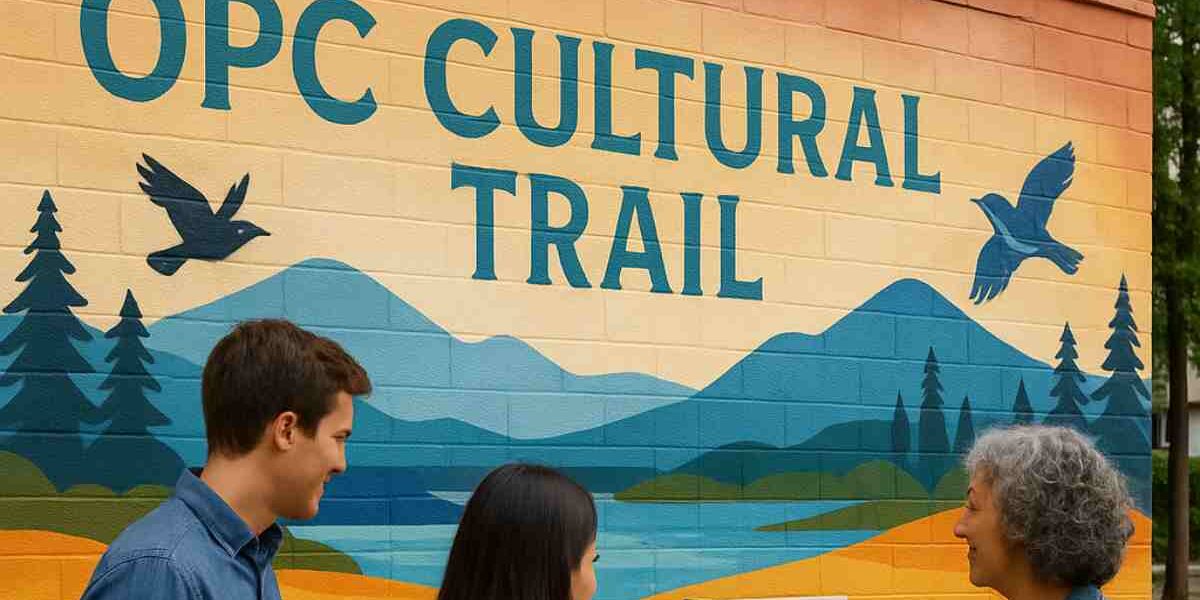
On Vancouver Island, the OPC Cultural Trail demonstrates how local photography and on site displays can activate both place identity and community response. Instead of static murals, OPC installations allow residents and visitors to quietly respond via QR code and sentiment tracking. Neighborhood data becomes visible, even when participation is passive.
These installations are not advertisements. They act as community engagement routes tied to local landmarks, nonprofits, artists, tourism flows, and upcoming planning initiatives. This model offers a way to transform art as CAC into art as feedback.
Developers, nonprofits, municipalities, and cultural advisors can all participate without altering current CAC frameworks. The Cultural Trail fits inside existing rezoning structures. It simply brings clarity earlier in the process.
Why This Matters for Rezoning in British Columbia
Rezoning delays across BC are often linked to a lack of visibility rather than a lack of compliance. When communities feel unheard, delays increase. When councils do not see sentiment clearly, hesitation grows. When feedback arrives late, concessions are reactive rather than strategic.
Cultural CACs that track response may reduce risk before hearings occur. They can help asset owners, council members, and communities share the same information before plans are finalized. This approach does not replace existing rezoning processes. It increases confidence within them.
For nonprofits seeking rezoning approval, for developers managing density changes, and for municipalities dealing with high application volumes, cultural engagement tools can make consensus clearer and friction lower.
How BC Asset Owners Can Begin This Shift
BC asset owners do not need to overhaul their CAC strategy to begin activating community response. They can start with three practical steps:
- Identify upcoming CAC opportunities linked to place identity
- Add a passive mechanism for feedback or sentiment capture
- Invite cultural contributors who reflect local values
This approach can match council priorities, support community recognition, and reduce rezoning friction. Art that creates feedback becomes art that justifies investment. It strengthens planning, preapplication strategy, public outreach, and rezoning clarity.
Final Thoughts
CACs do not need to change in definition. They need to change in impact. When cultural assets measure community response instead of assuming it, they become more than amenities. They become signals of alignment between stakeholders.
The future of rezoning engagement in British Columbia may not require more spending. It may simply require earlier visibility into sentiment, expressed through familiar cultural formats already accepted by councils.
Art can guide rezoning when it becomes feedback.
Engagement can begin before the hearing.
This shift has already started across BC.